https://www.globaltechnology2814.com
917780517507

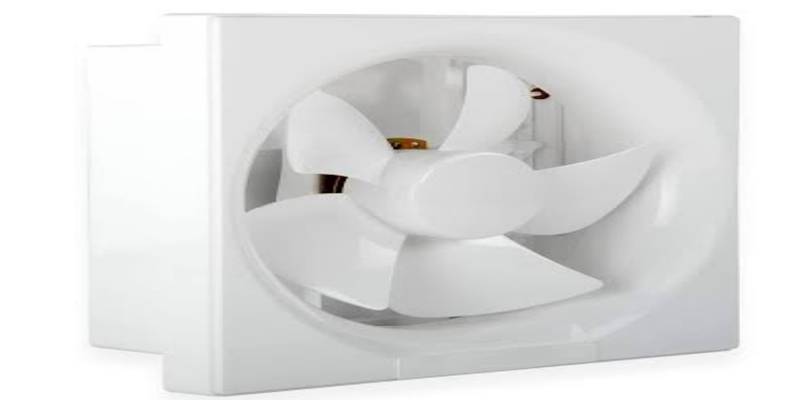
Exhaust Fan Installation One Unit in Hyderabad | Global Technology

duration 30min INR 200 INR 300

Enquire

Description

Exhaust fan installation in Hyderabad for one unit. Expert fitting for homes & offices. Call 7780517507 – Global Technology.

Other Specifications

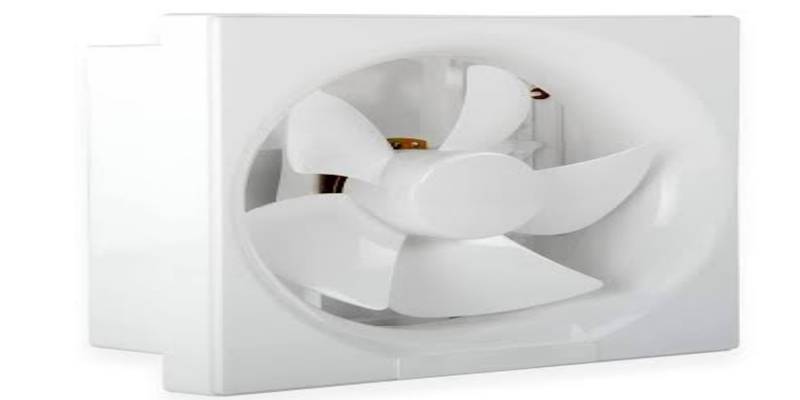
  • Other specification :  **Exhaust Fan Installation** is a critical part of maintaining air quality in areas like kitchens, bathrooms, and other spaces that require ventilation to remove stale air, moisture, and odors. Below are the key specifications and considerations you should keep in mind for proper installation and operation of an **exhaust fan**: ### ✅ **Exhaust Fan Installation Specifications** #### 1. **Fan Capacity and Size** - **Airflow Rating (CFM)**: The capacity of an exhaust fan is measured in **CFM (Cubic Feet per Minute)**. It refers to the volume of air the fan can move in one minute. The fan size should be chosen based on the room’s size and ventilation requirements. - **Small rooms (e.g., bathrooms)**: Typically require an exhaust fan rated between **50-100 CFM**. - **Larger rooms or kitchens**: May require **150-250 CFM**, depending on room size and activity levels. - **Room Size**: - For bathrooms, you can calculate the required CFM by multiplying the room’s square footage by 1.1 (for bathrooms) or 1.0 for kitchens. - For kitchens with a stove, a fan of **200-300 CFM** or more may be required. #### 2. **Type of Exhaust Fan** - **Wall-Mounted Exhaust Fans**: These are installed in external walls to expel air directly outside. Suitable for kitchens or bathrooms without windows. - **Window-Mounted Exhaust Fans**: Installed in windows and exhaust air outside, providing ventilation for rooms without external walls. - **Ceiling-Mounted Exhaust Fans**: Common in bathrooms or large kitchens where the fan is centrally located. The fan pushes air to the exterior of the building via ductwork. - **Inline Exhaust Fans**: These are placed in the attic or ceiling and are connected to ducting, offering quieter operation by removing the fan's noise away from the room. #### 3. **Fan Power (Motor Rating)** - **Motor Size**: Choose a fan with an appropriately rated motor. Higher-powered motors are used for larger spaces or high-efficiency models. Motor power typically ranges from **15W to 80W**, depending on the fan's size and capacity. - **Energy Efficiency**: Look for fans that are **energy-efficient** and carry **Energy Star** or similar certifications to ensure they consume less power over time. #### 4. **Noise Level (Sones Rating)** - **Noise Level**: Exhaust fans can vary in noise levels, measured in **sones**. The lower the sone rating, the quieter the fan. - **Quiet fans**: Look for fans rated between **0.5 to 1.5 sones** for quieter operation. - **Average fans**: Typically have a sone rating between **2 and 3 sones**. - **Louder fans**: Fans with a rating of **4 sones** or higher are generally noisier. #### 5. **Ducting and Ventilation Pathway** - **Ductwork**: Proper ducting is critical for ensuring efficient airflow. The **duct diameter** should be at least **4 to 6 inches** for most fans. - **Duct Length**: Keep the duct as short and straight as possible to maximize fan efficiency. Long and convoluted ducts reduce airflow and performance. - **Vent Termination**: The vent should terminate outside the building, away from windows or doors. A **vent cap** or **backdraft damper** can prevent outside air or rain from entering the ducts. #### 6. **Location of Installation** - **Optimal Position**: Install the exhaust fan in a location that maximizes airflow and air removal. This typically means positioning the fan near the source of the moisture or heat (e.g., above a stove, in the center of a bathroom, etc.). - **Height**: The exhaust fan should generally be installed at **ceiling height** for optimal air removal, especially in kitchens or bathrooms. - **Distance from Air Sources**: Ensure the fan is installed far enough away from heat-producing appliances (like stoves or radiators) to avoid interference with the exhaust airflow. #### 7. **Electrical Requirements** - **Wiring**: Make sure the exhaust fan is connected to a dedicated circuit with appropriate wire gauge and breaker size. Most fans operate on **220V** or **120V**, depending on your region. - **Switches and Controls**: A wall switch or timer control can be used for easier operation. Some advanced models come with built-in **humidity sensors**, **motion detectors**, or **auto-shutoff timers**. - **Grounding**: Ensure the fan is properly grounded to prevent electrical shocks. #### 8. **Installation Procedure** 1. **Turn Off Power**: Always ensure the power supply is turned off before starting the installation. 2. **Cutting the Hole**: For a wall-mounted or ceiling-mounted fan, you will need to measure and cut a hole large enough to fit the fan. 3. **Mounting the Fan**: Secure the fan housing to the wall, ceiling, or window frame using screws or mounting brackets. 4. **Ducting and Venting**: Install the ductwork and connect it to the fan, ensuring the ducting is sealed properly to avoid leaks. 5. **Electrical Connections**: Connect the fan to the power supply as per the manufacturer's instructions. If needed, have a licensed electrician perform the electrical work. 6. **Test the Fan**: Once installed, test the fan to ensure it’s running smoothly, with sufficient airflow and minimal noise. #### 9. **Maintenance and Cleaning** - **Cleaning the Fan**: Regular cleaning is essential for maintaining efficient operation. Dust and debris can accumulate on the fan blades, reducing airflow and causing the fan to work harder. - Clean the fan **blades**, **grills**, and **ducts** every **6-12 months** (depending on the environment) to ensure optimal performance. - **Lubricating the Motor**: If your exhaust fan motor requires lubrication, be sure to follow the manufacturer’s guidelines to keep it running smoothly. - **Replacing the Filter**: Some exhaust fans come with filters that need periodic replacement. Make sure to check and replace the filter as recommended. #### 10. **Energy Efficiency** - **Low Energy Consumption**: Choose a model that consumes minimal electricity, especially if the fan runs frequently. - **Variable Speed Fans**: Some fans come with adjustable speed settings, allowing you to control the airflow and energy use based on the room's ventilation needs. --- ### ✅ **Questions to Ask the Service Provider** 1. **Fan Capacity**: Can they recommend a fan with the right **CFM** rating based on the size and purpose of the room (kitchen, bathroom, etc.)? 2. **Noise Levels**: Will the fan be quiet enough for the intended space? Can they recommend a model with a low **sone** rating for noise control? 3. **Electrical Work**: Are they qualified to handle the **electrical connections** or will they arrange for an electrician to complete the wiring? 4. **Ductwork**: Will the installation include **ducting** to ensure efficient air extraction? How will they ensure that the ducts are properly sized and sealed? 5. **Placement**: Will they position the fan at the optimal height and location for the best airflow? 6. **Maintenance**: Do they provide **post-installation maintenance** services, such as fan cleaning or motor lubrication? Would you like help finding a professional for **exhaust fan installation**, or need further information on selecting the best fan for your space?
Book Appointment

No services available for booking.

Select Staff

AnyBody

Morning
    Afternoon
      Evening
        Night
          Appointment Slot Unavailable
          Your enquiry
          Mobile or Email

          Appointment date & time

          Sunday, 7 Aug, 6:00 PM

          Your Name
          Mobile Number
          Email Id
          Message

          Balinese massage - 60 min

          INR 200

          INR 500

          services True True +918048061672